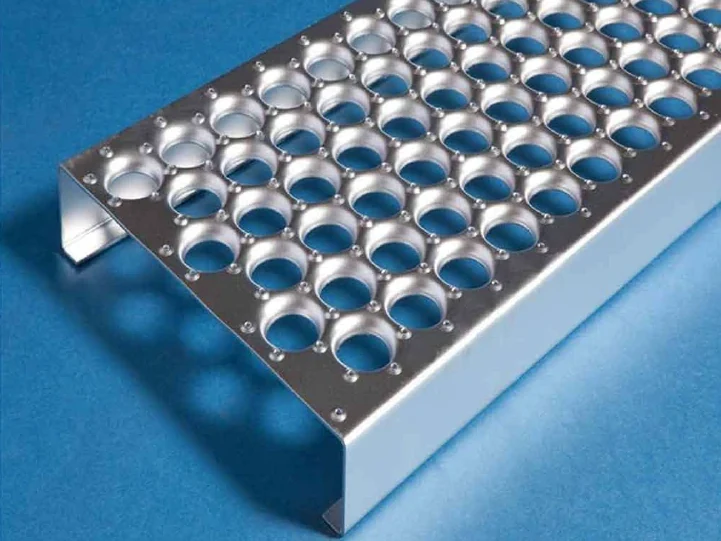
Perforated metal sheet in a wide range of hole patterns and thicknesses.
Perforated metal sheet can be readily formed, painted or polished, and holds accurate sizes. It offers superior abrasion resistance, easy installation, an attractive appearance, uniform sound abatement and light weight, with a wide range of thicknesses, hole sizes and patterns, and a long, durable wear life.
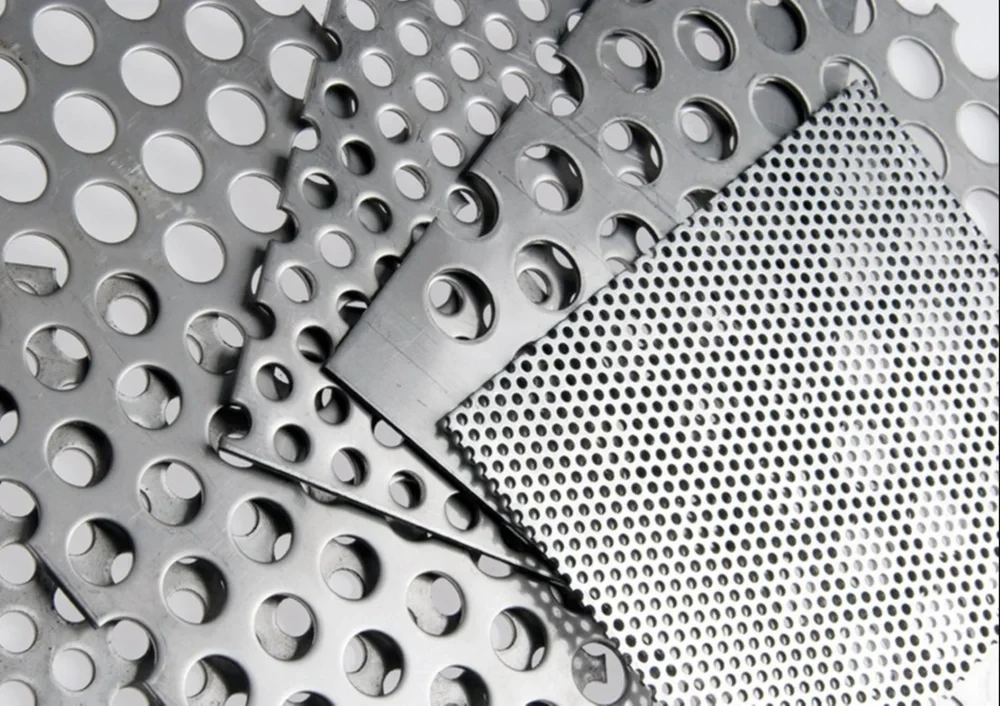
Materials and processing
What we can perforate and how
Materials
Carbon steel, aluminum, stainless steel, galvanized steel, PP sheet, PVC sheet, copper, wood board and more.
Perforating methods
CNC perforating, CNC turret perforating, laser cutting, water jet cutting, coil to coil perforating, coil to pieces perforating, etching and more.
Specifications
Hole patterns and drawing dimensions

Sheet Layout
Shows the sheet length and width, the punching area and the edge margin.
Request a Quote
Round Holes Staggered
Staggered round holes, set by margin, center distance and aperture.
Request a Quote
Long Holes Staggered
Staggered long holes, set by hole length, hole width and margin.
Request a Quote
Square Holes Straight
Straight square holes, set by margin, center distance and aperture.
Request a Quote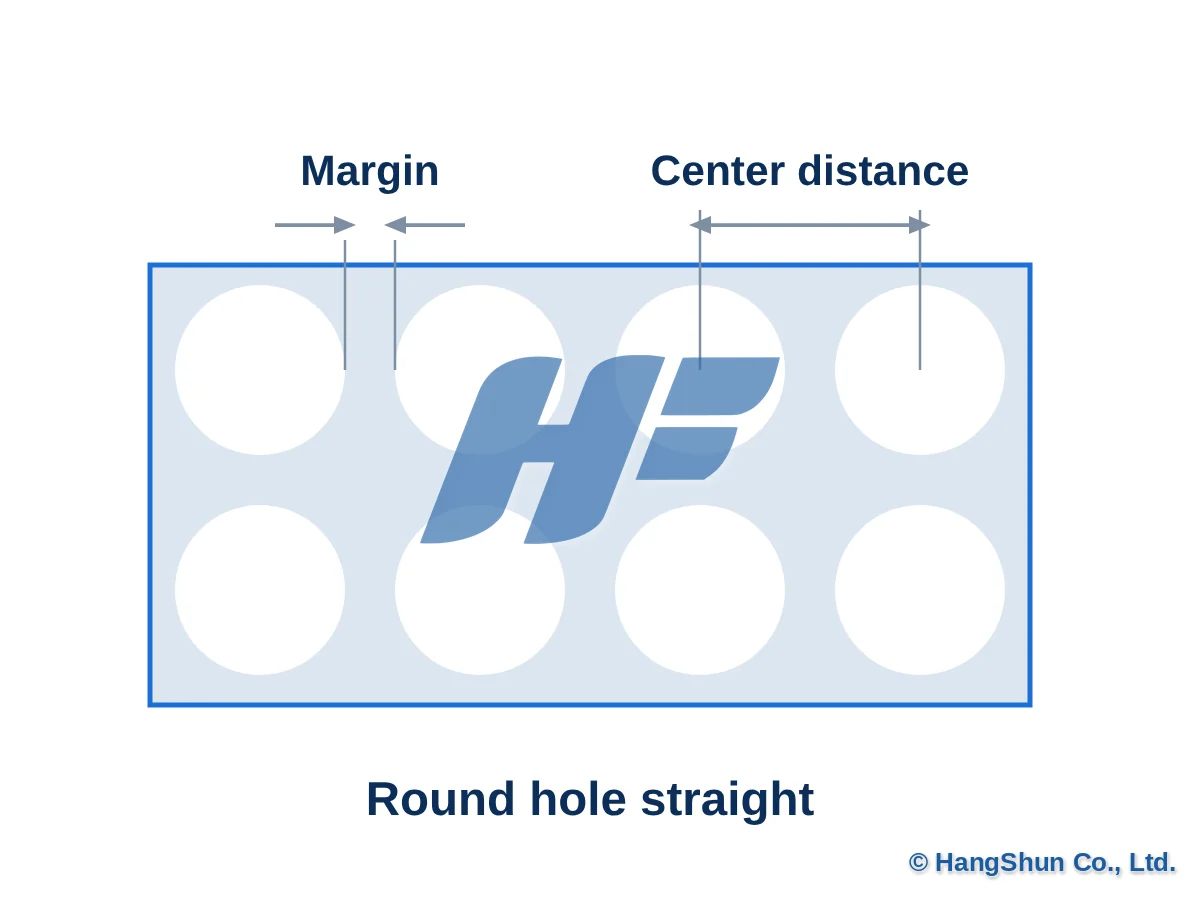
Product Display
Perforated hole types
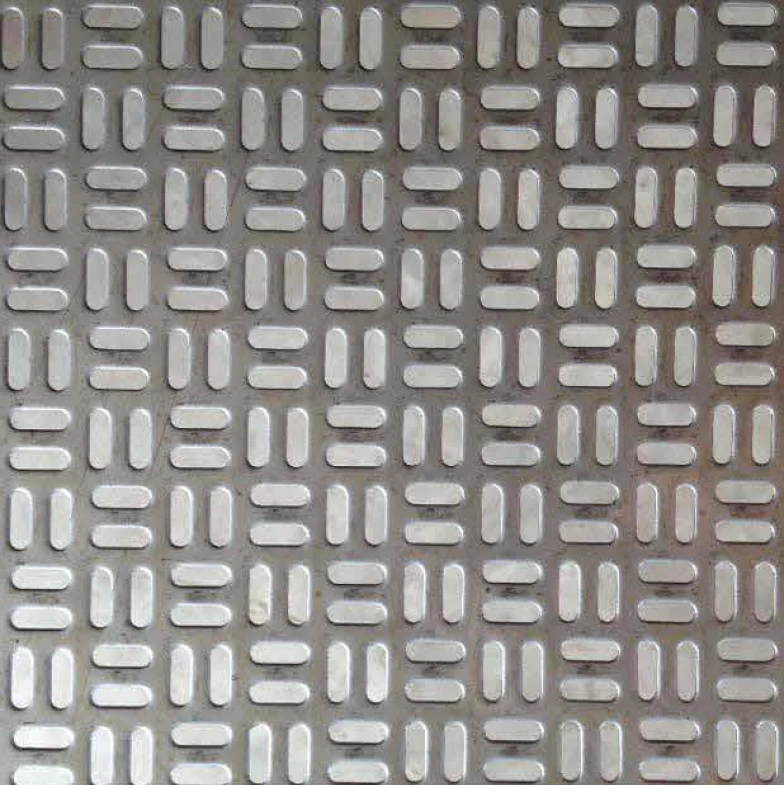
Slotted Holes, Alternating Pattern
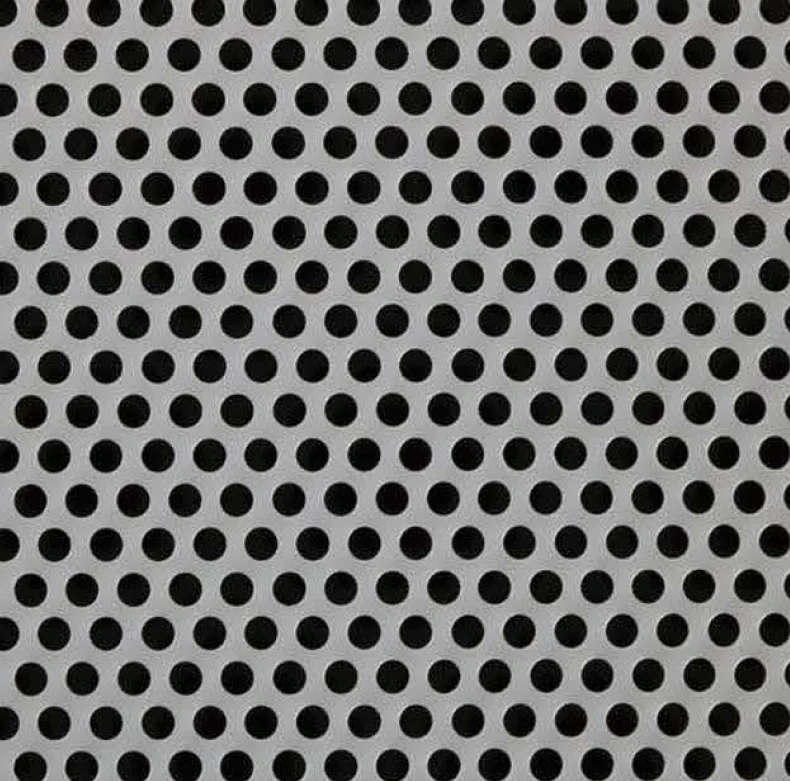
Round Holes, Staggered
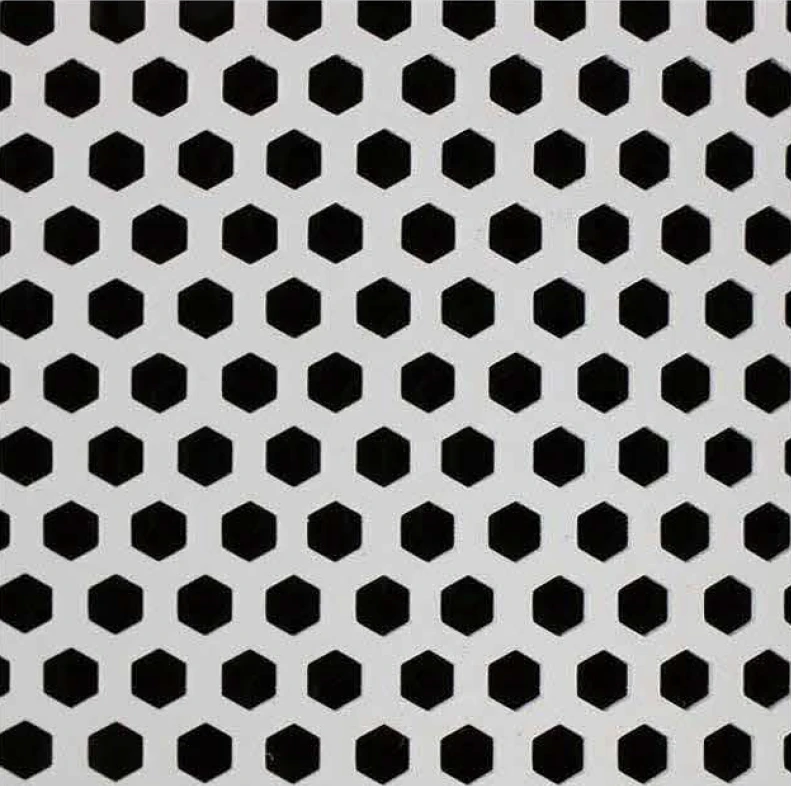
Hexagonal Holes
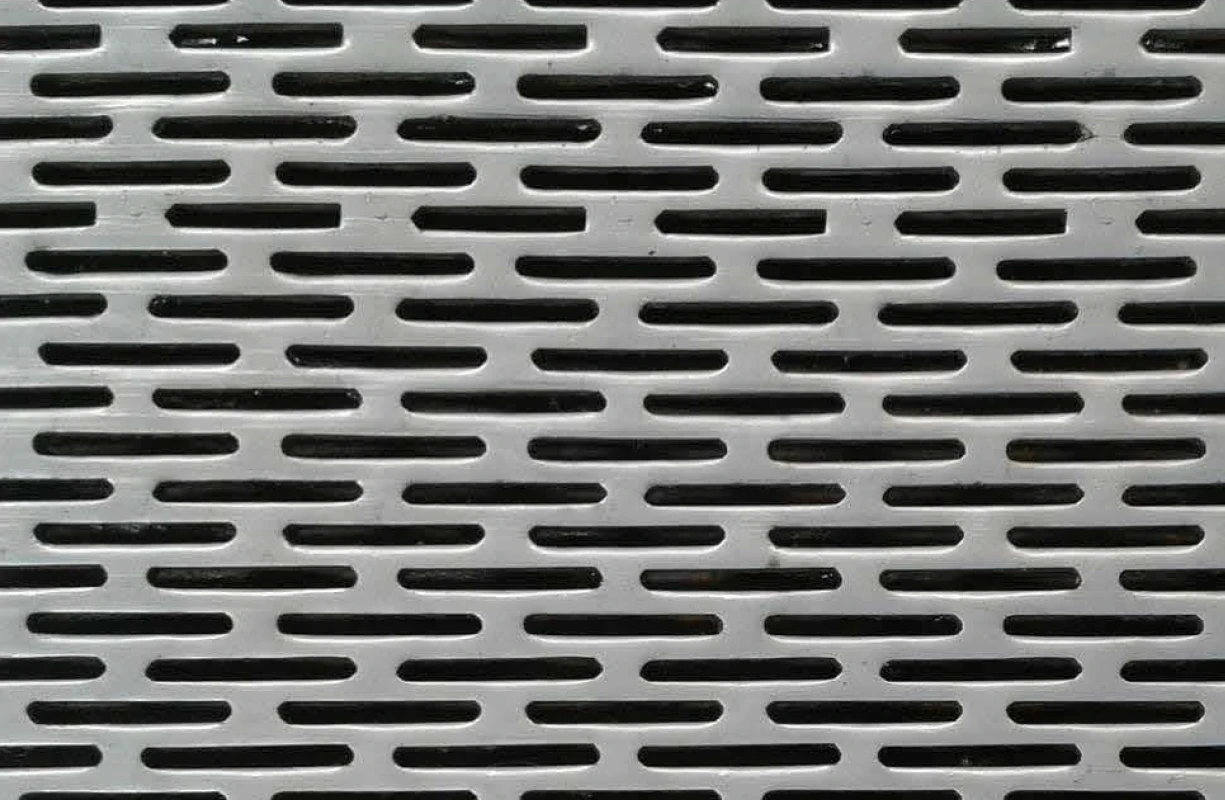
Long Slotted Holes, Staggered

Triple Slotted Holes, Alternating Pattern
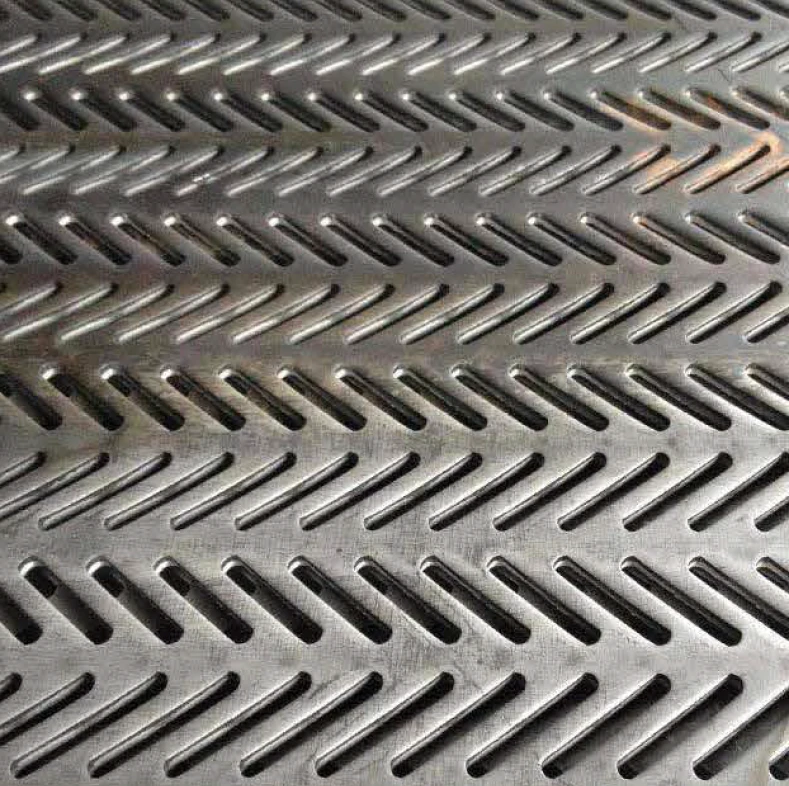
Herringbone Slotted Holes
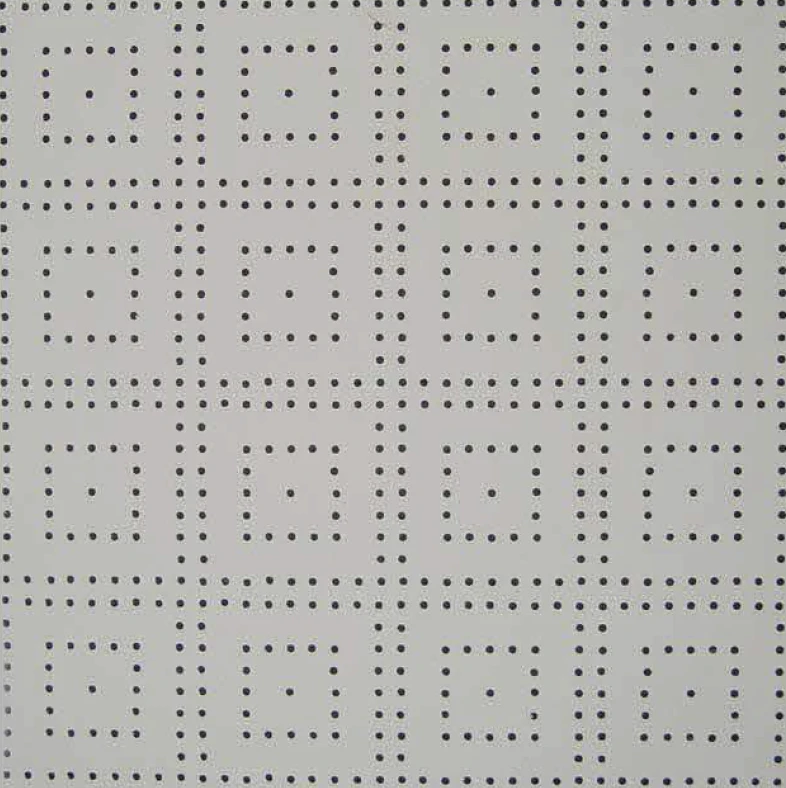
Micro Round Holes, Square Grid Pattern
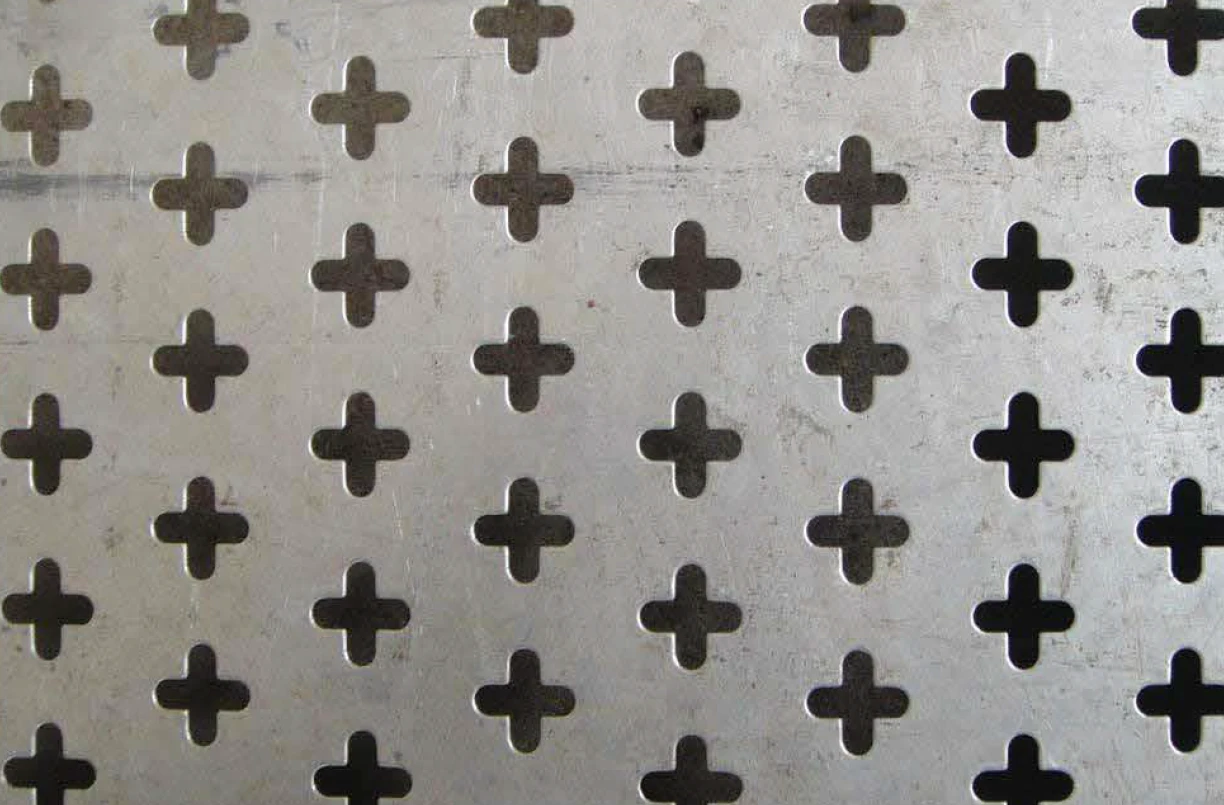
Cross Holes
Calculation
Open Area Calculation
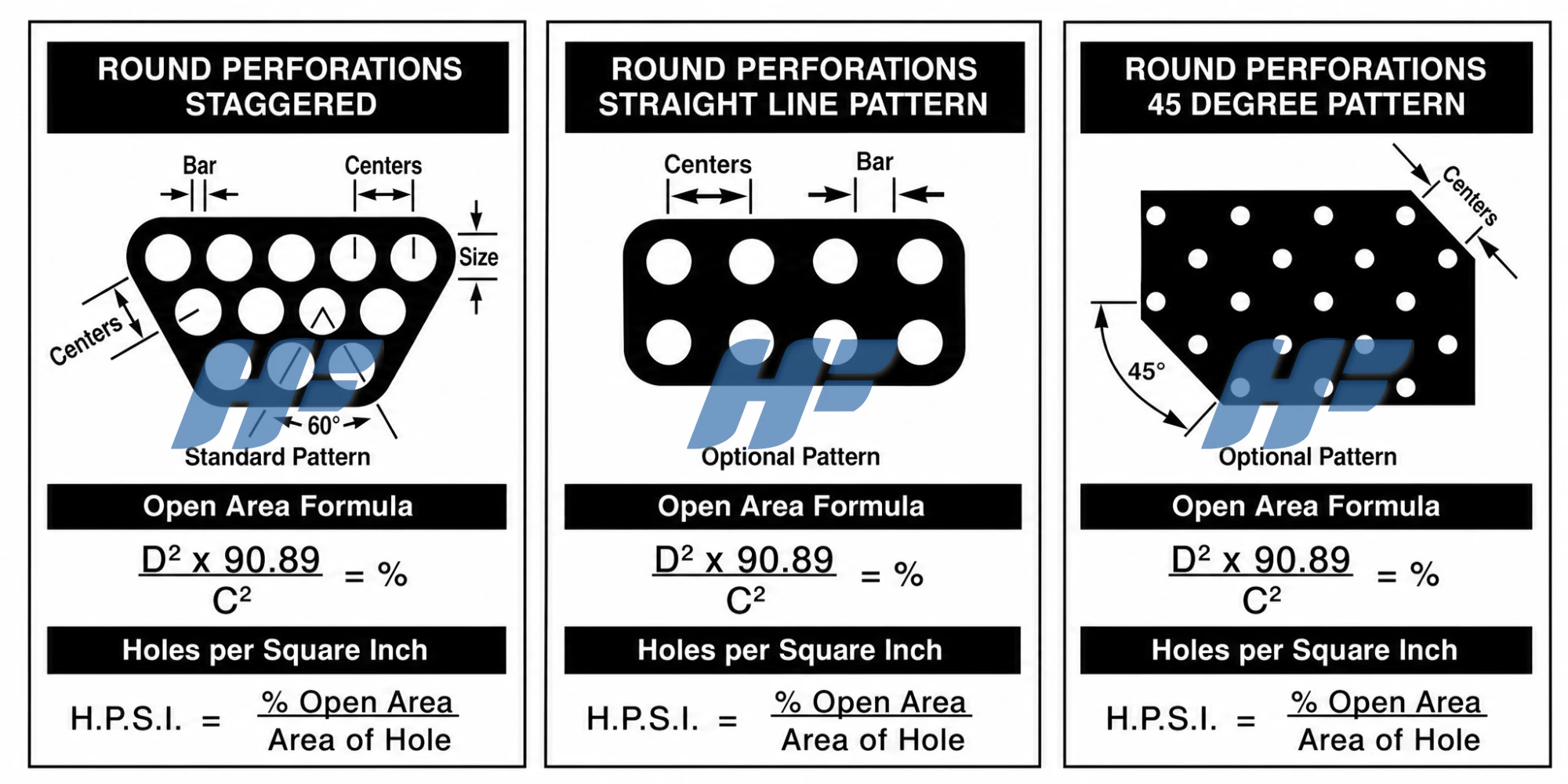
Round Perforations

Square and Hexagon Perforations
Weight Calculation
Sheet weight = ρ × V, where ρ is the density and V is the volume.
Perforated sheet weight = Sheet weight × (1 − open area)
Common sheet densities: Galvanized Steel 7.85 g/cm³, Stainless Steel 304 7.93 g/cm³, Stainless Steel 316 7.98 g/cm³, Aluminum 2.73 g/cm³.

Round End Slot
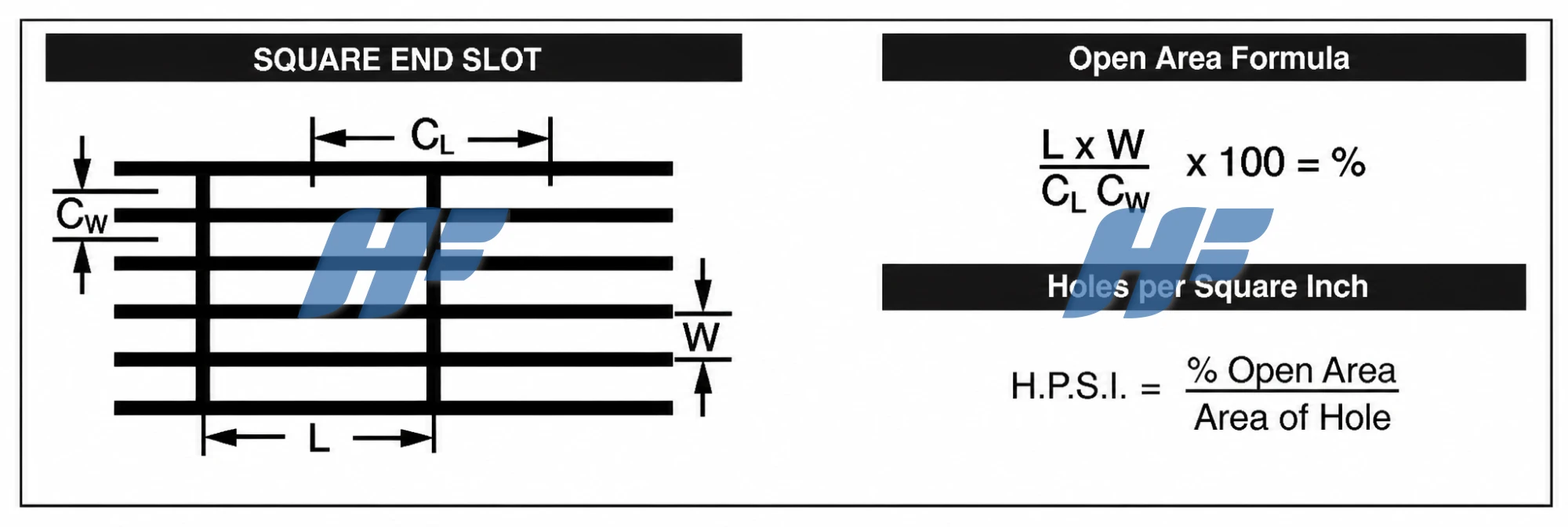
Square End Slot
Applications